





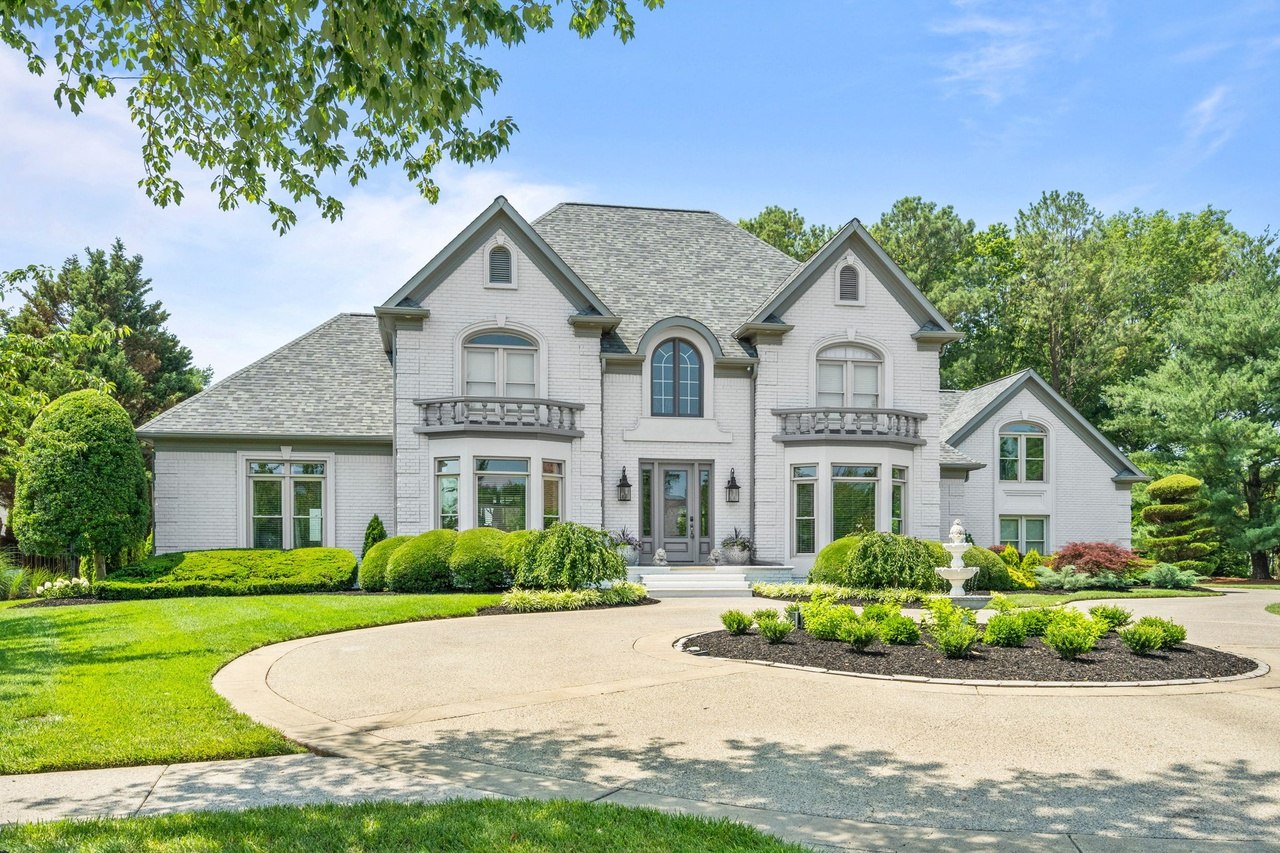
If you bought your home years ago, you’re probably sitting on more equity than you realize — but that doesn’t automatically make moving up feel easy.
Most homeowners I talk to in Hendersonville aren’t worried about finding a home. They’re worried about timing, payments, and the fear of being stuck with two mortgages at once.
The good news?
With the right strategy, most move-up buyers do not need to carry two mortgages.
The Reality of the Hendersonville Market Right Now
Over the last 90 days, Hendersonville homes have sold anywhere from $200,000 to $2,250,000, with an average price around $631,000.
That lower end?
Usually flips, distressed properties, or smaller townhomes. Realistic single-family starter homes in Hendersonville fall in the $300,000–$330,000 range.
Homes are still moving:
• Average days on market: 31
• Average sale-to-list ratio: 98.65%
Why Move-Up Buyers Feel Stuck
Almost every move-up client tells me some version of the same thing:
• “I don’t want to lose my low interest rate.”
• “What if my house doesn’t sell fast enough?”
• “I can’t afford two payments at the same time.”
• “New construction timelines scare me.”
All of that makes sense — but it’s usually based on missing information, not actual risk.
Most move-up clients have $100,000–$300,000 in equity, especially if they purchased before 2018. That equity changes the math entirely — if you know how to use it.
Strategy #1: Line Up Closings Without Carrying Two Mortgages
I negotiate rent-back agreements to line up closings — not as a financing strategy, but as a logistical one.
A common question I hear is: “Why can’t we find the new house first before putting our home on the market?”
The issue is leverage.
When your home isn’t listed yet, you’re a riskier buyer to a seller. Even if your offer is accepted, many sellers will keep their home on the market until you’re under contract on yours. If your sale takes longer than expected, you can lose the home altogether.
Instead, we list your home and begin shopping at the same time. If the right buyer comes along before you’ve found your next home, the rent-back gives us breathing room to finish the process without rushing decisions.
In practice, it looks like this:
• Your home is on the market while we actively search
• When an offer comes in, we negotiate occupancy terms
• You stay in the home briefly after closing
• Your move stays aligned without carrying two mortgages
Occupancy and well-structured contingencies are often how I help clients move up without relying on specialized loan programs.
The key guardrail is staying within 60 days, which keeps the purchase classified as a primary residence and avoids unintended loan changes.
Strategy #2: Equity Supports the Plan — It Isn’t the Plan
Most move-up plans don’t fail because of money — they fail because of sequencing.
The goal is always the same: move up without carrying two mortgages. Strategy #1 is how that’s accomplished in most cases.
For high-equity homeowners, a HELOC can sometimes support that strategy. A HELOC is typically interest-only for the first 10 years, can often be set up in 20–30 days, and provides access to equity without forcing an immediate sale.
Other tools exist, but they are situational and often involve carrying two payments temporarily. That’s why they’re not the starting point.
The advantage isn’t the loan product. It’s structuring the move correctly.
Strategy #3: New Construction Requires Better Timing
New construction adds another layer of complexity — not because it can’t be done, but because timing matters.
Builders are becoming more flexible with contingencies heading into 2026, but contracts still don’t always line up cleanly with resale timelines.
The least stressful new-construction move-up scenarios include clear guardrails, contingency planning, and backup housing options if needed — all handled upfront, not after pressure sets in.
Strategy #4: Negotiation Is Where Payments Are Won or Lost
You don’t control interest rates — but you do control how the deal is structured.
Monthly payments aren’t just about price. They’re influenced by concessions, timing, and how equity is applied.
I recently helped a couple move into new construction at a similar price point to their current home and keep nearly the same monthly payment, despite higher rates.
That outcome wasn’t accidental. It came from incentives offered by the builder and their lender, strategic use of equity, clean timing, and disciplined negotiation — not rushing to make something work.
Listing Prep: The Hidden Advantage
If your home is pristine and well-managed, three to five weeks is usually enough time to prepare it properly for the market.
If you’re more rooted — emotionally or physically — that timeline can stretch to four to six months, in my experience.
Either way, preparation matters. Decluttering and knowing what not to fix often make a bigger difference than over-improving. A great agent will help you focus your energy on what will move the needle for buyers.
The goal isn’t perfection. It’s positioning the home so timing, leverage, and negotiation work in your favor.
The Bottom Line
Moving up does not require carrying two mortgages — but it does require a plan.
If you’re even considering a move-up purchase, the smartest first step isn’t touring homes — it’s understanding your timing, leverage, and risk before making any decisions, and that starts with a conversation.
Check out this article next

FAQ
Can I buy a new house before selling my current one?
Yes — but doing so without a plan makes you a riskier buyer. Listing and shopping at the same time usually preserves leverage.
What is a rent-back agreement?
A rent-back allows you to stay in your home briefly after closing so purchases and sales line up without rushing.
How long can I stay after closing?
Up to 60 days in most cases, while keeping the purchase classified as a primary residence.
Do I need a bridge loan to move up?
Usually no. Occupancy terms and contingencies solve the problem more cleanly for most homeowners.
Is new construction harder when moving up?
It requires better timing and contingency planning, but it can be done successfully with the right strategy.